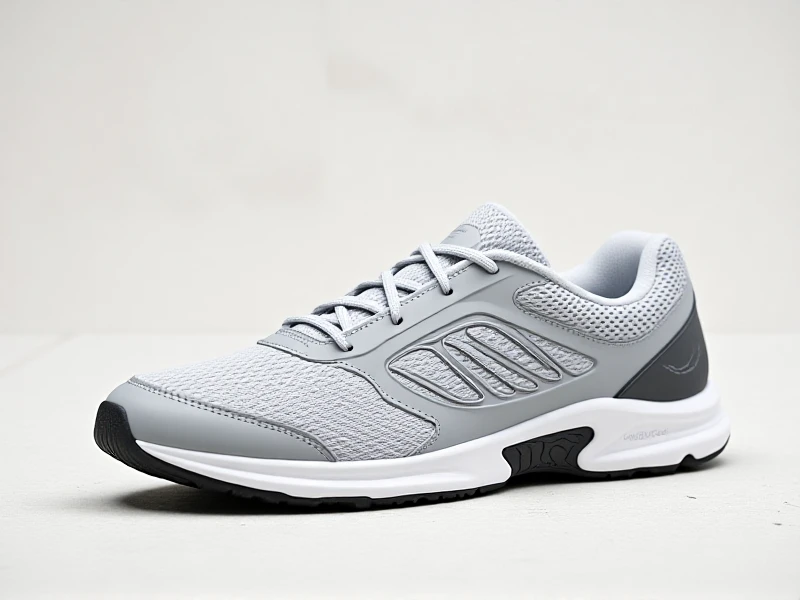
Find Your Perfect Fit: The Ultimate Guide to Running Shoes
SEO-Optimized Article: Running Shoes
Choosing the right running shoes isn't just about style – it's the foundation of your performance, comfort, and injury prevention. Whether you're pounding the pavement daily, hitting forest trails, or training for your next race, the perfect pair makes every step count. Understanding key features can transform your run.
Why Comfort Isn't Optional
Your feet handle significant impact during a run. Optimal running shoes provide essential cushioning that reduces stress on joints. Look for responsive midsoles made from materials like EVA foam or proprietary technologies (like Nike Air Zoom, Adidas Boost, or Asics Gel). Adequate cushioning absorbs shock without sacrificing energy return, helping you run longer with less fatigue.
Critical Design Features
Beyond cushioning, consider these elements:
- Support & Stability: Essential for overpronators. Shoes with medial posts or structured midsoles guide your foot into a neutral stride.
- Fit & Lockdown: Secure fit prevents blisters and slippage, especially around the heel and midfoot. Look for padded collars and effective lacing systems.
- Breathability: Mesh uppers keep feet cool and dry, enhancing comfort on longer runs.
- Outsole & Traction: Road shoes need durable rubber; trail running shoes require aggressive lugs for grip on mud, rocks, and roots.
Finding Your Perfect Match
Different styles cater to distinct needs:
- Neutral Cushioned: Ideal for efficient strides and runners needing flexibility without stability tech.
- Stability: Supports mild to moderate overpronation, offering medial support without rigidity.
- Motion Control: Best for severe overpronators needing maximum structure.
- Trail: Feature protective toes, enhanced grip, and often waterproof options like Gore-Tex.
- Race: Ultra-lightweight, promoting speed for competitions.
Maintenance & Replacement
Running shoes aren't designed to last forever. The cushioning breaks down over time, losing shock absorption. Experts recommend replacing them every 300-500 miles. Listen to your body – signs like unusual aches or reduced cushioning feel signal it’s time for a fresh pair.
Experience the Difference
Investing time in finding your ideal running shoes pays dividends. Visit reputable running specialty stores where knowledgeable staff analyze your gait and foot shape. Test several pairs, ideally jogging a short distance. Focus on immediate comfort – they shouldn't need a long "break-in" period. The right pair empowers you to run stronger, enjoy longer miles, and minimize physical strain.
Ready to elevate your run? Explore our extensive range of high-performance running shoes engineered for every stride!