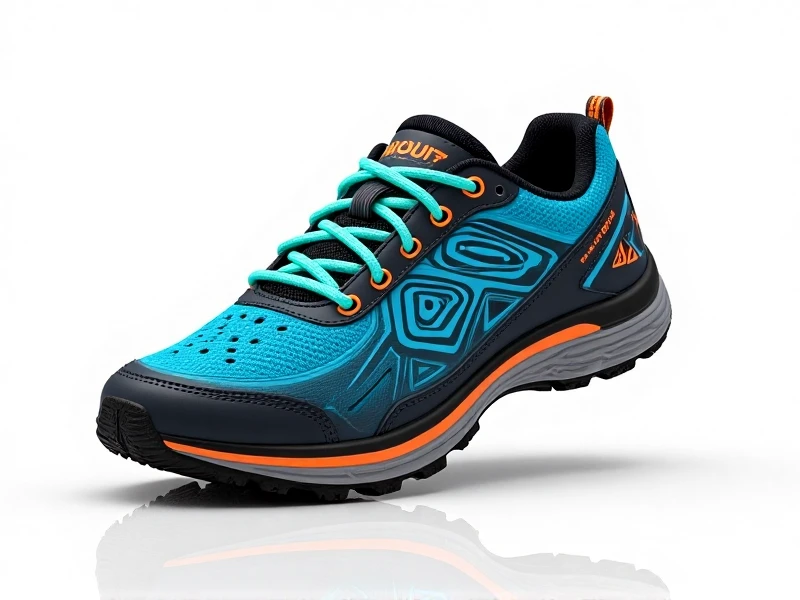
Finding the Perfect Pair: Your Ultimate Guide to Running Shoes in 2024
Running is one of the most accessible and rewarding forms of exercise, but without the right gear, it can quickly lead to discomfort or injury. That's where running shoes come in—they're not just accessories; they're essential tools that support your stride, absorb impact, and keep you motivated mile after mile. As someone who's logged countless hours on trails and treadmills, I know firsthand how a great pair can transform your workouts. In this guide, we'll dive into why choosing the right running shoes matters, explore different types, and share tips to ensure you find your ideal match. Whether you're a beginner or a seasoned marathoner, investing in quality footwear can boost performance and prevent common issues like shin splints or blisters.
First, understanding why running shoes are crucial starts with the science behind them. Unlike everyday sneakers, they're engineered with cushioning and support systems tailored to running's unique demands. For instance, midsole materials like EVA foam or gel pads cushion each step, reducing stress on joints. If you're new to running, proper shoes can make the difference between enjoying a smooth jog and dreading your next session. Experts recommend replacing them every 300-500 miles to maintain peak functionality—trust me, worn-out soles won't do your feet any favors!
Next, let's cover the main types of running shoes available. Neutral running shoes offer balanced cushioning and flexibility, perfect for runners with neutral gaits or high arches. Stability models come with added medial support to prevent overpronation, ideal if your feet tend to roll inward. Then there are minimalistic options for those who prefer a barefoot-like feel, maximalist designs with extra padding for long distances, and trail running shoes built with rugged treads for off-road adventures. Remember to consider factors like terrain and foot shape; for example, flat-footed runners often benefit from motion-control shoes to correct alignment.
Beyond types, selecting the perfect running shoes involves key steps. Start by analyzing your gait—many specialty stores offer free gait analysis to identify pronation patterns. Sizing is also critical; you should have about a thumb's width of space at the toe box to avoid cramped toes during long runs. Don't forget support based on your foot arch; low arches might need more rigidity, while high arches require flexibility. I've found brands like Brooks, Nike, ASICS, and Saucony deliver consistently reliable performance for various needs, often featuring innovative tech like carbon plates for speed boosts or breathable uppers for comfort.
Finally, where can you snag the best running shoes? Check out reputable online retailers like Amazon or dedicated athletic stores such as Dick's Sporting Goods for in-depth reviews and fitting guides. Local running shops provide personalized advice and fittings, invaluable for first-timers. Ultimately, a great pair empowers your journey—test them out with a quick jog before committing. So lace up, hit the pavement, and discover how the right running shoes can elevate your fitness game. Here's to crushing your next personal best!